



EFFECTS OF MEDRAY
With each MEDRAY treatment, the laser’s power and energy increase biological circulation, allowing damaged and inflamed areas to absorb more H20, O2, and specific nutrients.
This establishes a therapeutic heating zone that helps reduce painful inflammation, muscle spasms, swelling, and associated pain.
The MEDRAY laser emission aids injured tissues to return to a more normal state of balance.
learn More
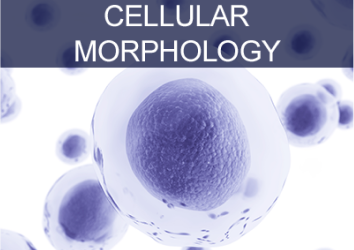
RESULTS OF MEDRAY ON CELLULAR MORPHOLOGY
The MEDRAY Class IV therapeutic laser, which uses four distinct wavelengths, interacts with the cells in our body.
This interaction increases metabolic actions within the cell, while also affecting the cell membrane, which allows for the increased flow of nutrients.
As a result of this increased transport, ATP is excited through the cytochrome oxidase system. This continued process of expanded reactions leads to the healing of the body and reduces pain.
learn More
QUAD AND DUAL WAVELENGTH THERAPY IN CONTINUOUS AND PULSED MODES
Different therapeutic wavelengths affect different tissues at different levels, which has been well-established. However, it is also well known that many Class IIIb lasers lack the power to reach deeper tissues. If wavelength was the only factor and not power, then having a laser with any energy at all would be pointless.
MEDRAY offers power levels and various wavelengths that can reach both deep and superficial levels. The four wavelengths, 650nm, 810nm, 915nm, and 980nm, address the composition of soft tissue, bone, fat, and several fluids. Both pulsing and continuous wave modes offer optimal opportunities for influencing cellular healing and transformation.
learn More
MEDRAY THERAPEUTIC WAVELENGTHS
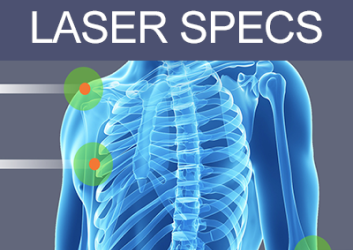
The MEDRAY device offers four distinct wavelengths of light, each tailored to address specific areas and depths of penetration. Here’s a closer look at the unique features of each wavelength:
650nm Visible Red Wavelength at 200mW:
This wavelength serves as both an aiming beam and a lower energy laser source, falling within the Class IIIb range. Its lower power and wavelength make it highly effective at stimulating photo biomodulation.

810nm Infrared Wavelength:
Known as the "therapeutic wavelength," this option can penetrate deeply and significantly impact cellular activity. With 8W of power, it delivers the maximum amount of energy possible.
915nm Infrared Wavelength:
By discharging oxygen into the bloodstream at a faster rate, this wavelength boosts cellular fuel and promotes healing. At 9W of power, it ensures the highest hemoglobin assimilation rate.
980nm Infrared Wavelength:
This wavelength plays a vital role in oxygen transport and waste removal by using water as a carrier. Photon absorption creates heat, producing a controlled thermal environment at the cellular level. This prompts responses such as increased microcirculation and oxygen transport to needy cells.
SUPER PULSING
There has been a lot of discussion in the laser manufacturing world about a technique called “super pulsing.” This involves lasers emitting an extremely short burst of energy – sometimes as short as a billionth of a second. However, it’s important to understand the therapeutic potential of such a short time frame.
It’s also worth noting that the effectiveness of super pulsing is limited by the structural design of the laser diode. If your laser is designed to output 500mW (Class IIIb laser), it cannot handle a burst of energy that is 1000 times its normal operating power level. This would be like giving a 60W light bulb a jolt of electricity 100 times its normal level – even a millisecond of energy would cause the bulb to burst.
Laser diodes are specifically designed to handle certain levels of power, and exceeding these levels can cause damage. To ensure safety and optimal performance, it is essential to use lasers that are within their maximum power levels.
learn More
THE NECESSITY OF POWER TO GENERATE HEALING
Achieving optimal results with a laser requires careful consideration of both its wavelength and power. Wavelength determines how far the beam can penetrate, while power determines the amount of energy that reaches the intended depth. Neither can be ignored, as they work together to produce effective results.
The power of a laser is measured in Joules and is determined by the number of photons delivered over a period of time. For example, one Watt of power equals one Joule of energy per second. More power at the surface level results in greater penetration to the desired depth.
learn More
To illustrate this point, let’s look at the MEDRAY laser, which delivers 10W of power and provides 600 Joules of therapeutic energy in just one minute. In comparison, a Class IIIb laser at 500mW would require 20 minutes to deliver the same amount of energy. This makes MEDRAY a faster and more efficient option for treatment and healing.
To understand the relationship between wavelength, skin penetration, and laser power, think of your skin as a board, the wavelength as a nail, and the laser power as a hammer. Without enough power, the nail cannot penetrate the board, regardless of its size or potential to penetrate. The equation can summarize this basic law of physics:
D =WL x P x T (Depth = Wavelength x Power x Time).
It’s important to note that some Class IIIb laser manufacturers criticize Class IV laser therapy for its excessive power. However, they also claim that their laser can “super pulse” into Class IV parameters and beyond. Essentially, they want to be compared to Class IV lasers to enjoy the benefits of faster treatment times and pain relief while simultaneously criticizing them for the same reasons. It’s important to carefully consider the power and wavelength of any laser before using it for therapeutic purposes.